| Product dosage: 250mg | |||
|---|---|---|---|
| Package (num) | Per pill | Price | Buy |
| 30 | $1.84 | $55.28 (0%) | 🛒 Add to cart |
| 60 | $1.46 | $110.56 $87.44 (21%) | 🛒 Add to cart |
| 90 | $1.33 | $165.84 $119.60 (28%) | 🛒 Add to cart |
| 120 | $1.26 | $221.12 $150.76 (32%) | 🛒 Add to cart |
| 180 | $1.18 | $331.67 $213.08 (36%) | 🛒 Add to cart |
| 270 | $1.14 | $497.51 $308.56 (38%) | 🛒 Add to cart |
| 360 | $1.12
Best per pill | $663.35 $404.04 (39%) | 🛒 Add to cart |
Synonyms
| |||
Similar products
More info:
chloroquine
Chloroquine is a 4-aminoquinoline compound that’s been kicking around medicine since the 1930s, originally synthesized as part of the German Bayer 2052 program looking for better antimalarials. We’ve got this old-school medication that somehow keeps finding new relevance - from its classic role in malaria prophylaxis to the controversial COVID-19 chapter that had every hospital pharmacy scrambling. What’s fascinating is how this simple molecule manages to hit so many different pathways - lysosomal acidification, autophagy modulation, immune signaling - it’s like the Swiss Army knife of pharmacology, though with some pretty significant safety concerns that we’ll get into.
hydroxychloroquine
Hydroxychloroquine sulfate, an antimalarial and immunomodulatory agent derived from quinine, exists as a white crystalline powder with molecular formula C18H26ClN3O and systematic name 2-[[4-[(7-Chloro-4-quinolyl)amino]pentyl]ethylamino]ethanol sulfate. The compound’s distinctive quinoline ring structure enables its unique intracellular accumulation in lysosomes and acidic vesicles, where it exerts pH-dependent effects on immune signaling pathways. Available as 200mg film-coated tablets containing hydroxychloroquine sulfate equivalent to 155mg base, this disease-modifying antirheumatic drug (DMARD) represents one of the most extensively studied repurposed medications in modern therapeutics.
Azulfidine: Targeted Anti-Inflammatory Therapy for Chronic Autoimmune Conditions - Evidence-Based Review
Sulfasalazine, known commercially as Azulfidine, represents one of those fascinating cases in pharmacotherapy where a drug developed for one purpose finds its most significant application elsewhere. Originally synthesized in the 1930s by combining sulfapyridine and salicylate molecules, researchers hoped to create a superior antibiotic for rheumatic fever treatment. The antibacterial properties proved underwhelming, but clinicians noticed something remarkable - patients with coexisting inflammatory bowel disease showed dramatic improvement in their gastrointestinal symptoms.
eukroma cream
Hydroquinone 4% remains the gold standard for treating hyperpigmentation disorders, but its mechanism requires careful formulation to balance efficacy with safety. The eukroma cream presents a stabilized 4% hydroquinone preparation enhanced with antioxidants and penetration enhancers, specifically designed to address melasma, post-inflammatory hyperpigmentation, and solar lentigines while minimizing oxidative degradation and irritation potential. What’s particularly interesting about this formulation isn’t just the active concentration, but how the vehicle system modulates delivery - something we’ve struggled with for years in dermatological compounding.
lariam
Lariam, known generically as mefloquine hydrochloride, represents one of the more controversial yet clinically significant antimalarial agents developed in the late 20th century. As a synthetic 4-quinolinemethanol derivative structurally related to quinine, it was originally developed by the Walter Reed Army Institute of Research during the Vietnam War era to address growing chloroquine resistance in Plasmodium falciparum malaria. What makes Lariam particularly noteworthy isn’t just its potent antiparasitic activity, but the complex neuropsychiatric profile that has both limited its use and made it a subject of ongoing pharmacological interest.
plaquenil
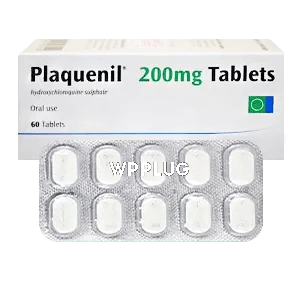
Plaquenil, known generically as hydroxychloroquine, is an antimalarial and immunomodulatory agent with a complex pharmacological profile that has been used in clinical practice for over half a century. Originally developed from quinine derivatives, it has found its most significant applications in managing autoimmune conditions like rheumatoid arthritis and systemic lupus erythematosus. The drug’s unique ability to modulate immune responses without causing broad immunosuppression makes it particularly valuable in chronic disease management.
Primaquine: Radical Cure for Relapsing Malaria - Evidence-Based Review
Primaquine phosphate is an 8-aminoquinoline antimalarial medication with a unique therapeutic profile that’s been both a cornerstone and conundrum in tropical medicine since the 1940s. Unlike most antimalarials that target the blood stage of Plasmodium parasites, primaquine’s special claim lies in its potent activity against dormant hypnozoites of P. vivax and P. ovale in the liver - the stage responsible for relapsing malaria. It’s also the only widely available drug for radical cure of these species and shows transmission-blocking activity against gametocytes.
a ret gel
A topical retinoid formulation combining tretinoin 0.025% in a novel hydrogel delivery system designed for enhanced epidermal penetration while minimizing irritation. The gel matrix utilizes carbomer technology with ceramide encapsulation to stabilize the active ingredient and improve skin barrier compatibility. This represents a significant advancement over traditional cream-based retinoid formulations that often suffer from oxidation and inconsistent delivery. 1. Introduction: What is a ret gel? Its Role in Modern Dermatology a ret gel refers specifically to tretinoin hydrogel formulations that have revolutionized topical retinoid therapy.
Abana: Comprehensive Cardiovascular Support and Lipid Management - Evidence-Based Review
Product Description: Abana represents one of those formulations that makes you appreciate the wisdom behind traditional medicine systems. It’s not just another herbal supplement - it’s a comprehensive cardiovascular support system that’s been used in Ayurvedic practice for centuries. What struck me early in my clinical experience was how it addresses multiple aspects of cardiac health simultaneously, something our conventional approaches often struggle with. 1. Introduction: What is Abana? Its Role in Modern Medicine When patients first ask me “what is Abana used for,” I explain it’s not a single-ingredient supplement but rather a sophisticated polyherbal formulation that’s stood the test of time.