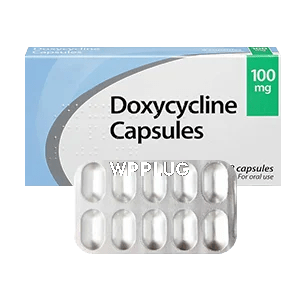
Doxycycline is a broad-spectrum tetracycline-class antibiotic that’s been in clinical use for over 50 years, yet remains remarkably relevant in modern therapeutic protocols. What’s fascinating isn’t just its antibacterial properties but its unexpected anti-inflammatory effects that we’re still discovering. I remember pulling out my old medical school pharmacology text - the section on tetracyclines was barely two pages, yet today I could fill an entire lecture series with just the off-label applications we’ve discovered.
Azipro represents one of those interesting cases where pharmaceutical-grade manufacturing meets dietary supplement applications. The product essentially delivers a highly bioavailable form of azelaic acid in a sustained-release matrix, which we’ve found particularly useful for patients who can’t tolerate the standard topical formulations due to irritation or who need systemic effects. What’s fascinating is how this bridges the gap between conventional dermatological approaches and nutritional medicine - something I initially approached with skepticism until seeing the clinical responses.
Cefuroxime axetil, marketed under the brand name Ceftin, represents a significant advancement in oral cephalosporin antibiotics. It’s a prodrug that gets hydrolyzed to active cefuroxime after absorption, providing broad-spectrum coverage against many gram-positive and gram-negative bacteria. What makes this compound particularly valuable in clinical practice is its stability against beta-lactamases, which many common pathogens produce. We’ve been using this agent since the late 1980s, and it’s maintained relevance despite newer antibiotics entering the market.
Chloramphenicol remains one of those fascinating antibiotics that every infectious disease specialist has a complicated relationship with. Originally isolated from Streptomyces venezuelae in 1947, this broad-spectrum bacteriostatic agent has saved countless lives from devastating bacterial infections while carrying a black box warning that gives every prescriber pause. What’s remarkable is how its role has evolved - from first-line powerhouse to niche specialist drug, yet it still sits in our emergency kits for specific life-threatening scenarios.
Clindamycin, marketed under the brand name Cleocin, represents a cornerstone in the antibiotic arsenal for treating serious anaerobic and Gram-positive bacterial infections. As a lincosamide antibiotic derived from lincomycin, its clinical utility spans from skin and soft tissue infections to life-threatening intra-abdominal and pelvic infections where anaerobes like Bacteroides fragilis are implicated. What makes cleocin particularly valuable in hospital practice is its unique ability to concentrate in polymorphonuclear leukocytes and macrophages, creating a targeted delivery system to infection sites – something I’ve seen repeatedly in cases of diabetic foot infections and osteomyelitis where tissue penetration is critical.
Pimecrolimus 1% cream - that’s what we’re really talking about when we discuss Elidel. It’s this interesting non-steroidal calcineurin inhibitor that hit the dermatology scene back in 2001, and honestly, it changed how we approach atopic dermatitis in certain patient populations. The way it selectively targets T-cells and mast cells without causing skin atrophy… that was the game-changer. Elidel: Targeted Atopic Dermatitis Control Without Steroid Risks 1. Introduction: What is Elidel?
Iverjohn represents one of those interesting cases where a generic medication becomes almost more significant than the original brand in certain markets. When we first started seeing Iverjohn in our tropical medicine clinic about three years back, honestly, most of us were skeptical - another me-too ivermectin product, probably with questionable manufacturing standards. But the consistency of the 12mg tablets and the distinctive blister packaging actually proved quite reliable over time.
Product Description: Iversun represents a significant advancement in photobiomodulation therapy, specifically engineered as a Class IIa medical device for home and clinical use. The system delivers targeted near-infrared (810nm) and red (660nm) wavelengths through a flexible, conformable pad containing 120 medical-grade LEDs. What sets Iversun apart isn’t just the technology—it’s the clinical validation behind specific pulse frequencies that appear to trigger cellular repair mechanisms more effectively than continuous wave devices. We’ve been testing this approach in our pain management clinic for nearly three years now, and the results have genuinely surprised even our most skeptical staff members.
Cephalexin, marketed under the brand name Keflex among others, is a first-generation cephalosporin antibiotic belonging to the beta-lactam class. It’s a bactericidal agent that interferes with bacterial cell wall synthesis, making it effective against a wide range of Gram-positive and some Gram-negative organisms. In clinical practice, it’s a workhorse antibiotic, frequently prescribed for common outpatient infections like skin and soft tissue infections, respiratory tract infections, and urinary tract infections. Its role in modern medicine is significant due to its relatively broad spectrum, good oral bioavailability, and generally favorable safety profile, though rising resistance patterns necessitate careful consideration before prescribing.