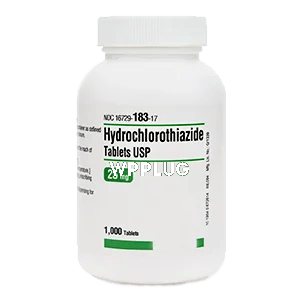
Hydrochlorothiazide remains one of those foundational medications we reach for constantly in clinical practice, yet I find many younger clinicians don’t fully appreciate its nuances. When I was a resident back in the late 90s, we had this older cardiologist, Dr. Evans, who’d always say “know your water pills like you know your own children” - and he wasn’t wrong. I’ve prescribed hydrochlorothiazide for everything from straightforward hypertension to more complex edema cases, and it’s fascinating how this molecule from 1959 still holds such relevance today.
Alfacip is a pharmaceutical-grade formulation of alfacalcidol, a vitamin D analog primarily used in the management of conditions involving calcium and bone metabolism. Unlike over-the-counter vitamin D supplements, Alfacip represents a prescription-strength intervention with specific clinical applications in nephrology, endocrinology, and geriatric medicine. Its development stemmed from the need for a more potent and reliable form of vitamin D therapy for patients with compromised vitamin D activation pathways. Alfacip: Advanced Vitamin D Therapy for Bone and Metabolic Health 1.
Candesartan cilexetil, marketed under the brand name Atacand, represents a critical angiotensin II receptor blocker (ARB) in modern cardiovascular pharmacotherapy. Initially developed to address hypertension, its therapeutic applications have expanded significantly based on robust clinical evidence. What’s fascinating about this molecule isn’t just its mechanism—which we’ll explore in depth—but how it’s changed our approach to patients with multiple cardiovascular risk factors. I’ve prescribed ARBs for over two decades, and Atacand consistently demonstrates particular characteristics that set it apart in clinical practice.
Avalide represents one of those interesting cases where combination therapy actually predated our full understanding of the synergistic mechanisms at play. When I first encountered this medication during my cardiology rotation back in 2005, the prevailing wisdom was simply that two drugs were better than one for blood pressure control. But over the years, watching hundreds of patients respond to this particular combination of irbesartan and hydrochlorothiazide, I’ve come to appreciate the nuanced dance between these molecules that makes Avalide more than just the sum of its parts.
Irbesartan, marketed under the brand name Avapro, represents a cornerstone in modern antihypertensive therapy as a selective angiotensin II receptor blocker (ARB). This prescription medication specifically targets the AT1 receptor subtype, effectively disrupting the renin-angiotensin-aldosterone system pathway that regulates blood pressure and fluid balance. Unlike earlier antihypertensive classes, irbesartan offers a favorable side effect profile while maintaining potent 24-hour blood pressure control, making it particularly valuable for patients who experience cough with ACE inhibitors.
Benicar, known generically as olmesartan medoxomil, is an angiotensin II receptor blocker (ARB) prescribed primarily for the management of hypertension. It works by selectively blocking the binding of angiotensin II to the AT1 receptor, which is found in many tissues such as vascular smooth muscle and the adrenal gland. This blockade prevents the angiotensin II-mediated vasoconstriction and aldosterone secretion, leading to vasodilation and a reduction in blood pressure. Benicar is available in tablet form and is typically used as part of a comprehensive treatment plan that may include lifestyle modifications like diet and exercise.
Bystolic represents one of those interesting cases where the pharmacological profile promised something different from existing beta-blockers, and in my fifteen years managing hypertension clinic patients, I’ve found it largely delivers. The drug’s proper name is nebivolol, and it occupies this unique space as a third-generation beta-1 selective adrenergic receptor blocker with additional nitric oxide-mediated vasodilation. We initially started using it around 2008 when it gained FDA approval, mostly for patients who couldn’t tolerate the bronchoconstriction or metabolic side effects of older agents like propranolol or even metoprolol.
Deflazacort, marketed under the brand name Calcort among others, is a synthetic glucocorticoid used primarily for its potent anti-inflammatory and immunosuppressive effects. It’s structurally similar to prednisolone but with some distinct pharmacokinetic properties that can influence its clinical utility. In rheumatology and neurology practices, we often reach for it when managing chronic inflammatory conditions like rheumatoid arthritis, polymyalgia rheumatica, or certain cases of dermatomyositis, especially when trying to minimize certain metabolic side effects associated with longer-term corticosteroid use.
Valsartan, the active pharmaceutical ingredient in Diovan, represents one of the most widely prescribed angiotensin II receptor blockers globally. Developed by Novartis, this medication fundamentally works by selectively blocking the binding of angiotensin II to the AT1 receptor, which is a cornerstone mechanism for managing hypertension and certain cardiovascular conditions. Its significance in clinical practice stems from its proven efficacy, generally favorable tolerability profile, and robust evidence base from landmark trials.